A day’s drive through the Cañadas and over the Teide
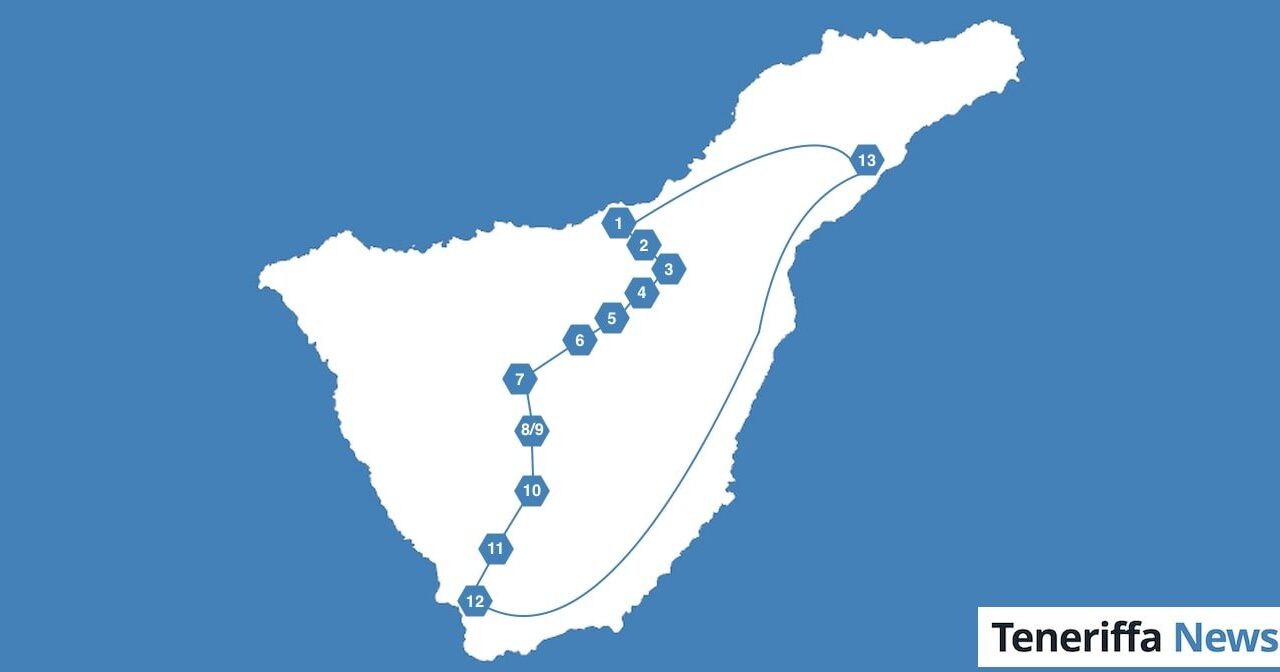
The loop starts in Puerto de la Cruz, climbs the TF-21 past La Orotava and Aguamansa into the national park, then drops south through Vilaflor and Arona before the TF-1 and TF-5 close the circle. Book cable car tickets online to avoid the queue.
Johannes Bornewasser is an author, journalist and editor-in-chief of Teneriffa News. He is regarded as a recognised expert on the Canary Islands. Bornewasser is also responsible for the editorial content of the website.
6 min read
If you really want to experience Tenerife, you simply must have driven through the Cañadas at least once. The landscape is so varied – and at times so bizarre – that it has even been used as a location for various films and NASA’s robot tests. Our round trip takes us from the north of the island, over the summit of Tenerife, down to the south and finally back again. You’ll find photos of our round trip at the end of this article; the individual waypoints are shown in the image above.
The starting point for our Mount Teide tour is Puerto de la Cruz in the north of the island. Of course, you can also start in the south. In that case, you’ll need to follow the individual waypoints in reverse order.
Mount Teide circular tour starts in the north
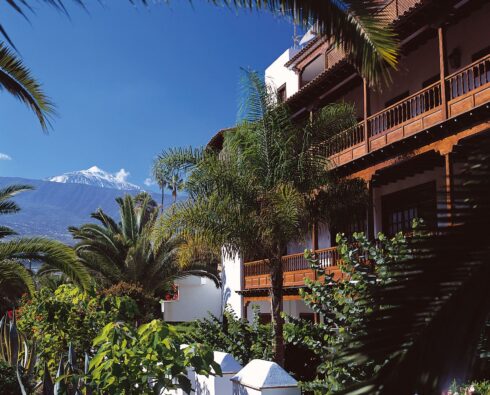
Puerto de la Cruz (1) is the holiday hub in the north of Tenerife. As the island’s third-largest town, it has excellent transport links, making it a good starting point for our tour. We take the TF-31 towards La Orotava (2), where the road joins the TF-21. This takes us further uphill from this beautiful village – known for its typical Canary Islands wooden balconies and, incidentally, always well worth a visit.
Passing through small villages, the trail eventually leads to Aguamansa (3), the last inhabited settlement before the Cañadas. The temperature is already dropping there, so – depending on the time of year – it’s best to have a jumper to hand for any breaks from this point onwards.
The road now winds past numerous viewing platforms (4). Here, it’s almost a must to take photos looking down towards Puerto and the coast. Be warned, however, of pickpockets and con artists who, on some days, target careless motorists (more on this here).
Arrival in the Cañadas
Gradually, the road winds its way through the cloud cover. Shortly after a hairpin bend, you’ll finally reach the edge of the Cañadas, as the national park surrounding Mount Teide is known. Just beyond the sign, the road forks. Viewed from the valley, the TF-24 now leads off to the left. Following this road takes you past the observatory and a military training ground. Our route, however, takes us further along the 21, where unspoilt nature awaits us.
We do, however, stop off just past the fork in the road. There is an tourist information centre (5), which offers free admission and explains the national park’s flora and fauna. There is also a large garden where visitors can gain a hands-on understanding of the plant life.
Continuing straight ahead, there are now numerous viewing platforms offering unobstructed views of the national park and its seemingly endless rocky desert. Visitors can also get out at small car parks (6) and walk a few steps into the park. Important: Do not leave any valuables unattended in your car.
The Mount Teide Cable Car leads to Tenerife’s summit
A few kilometres further on, you’ll finally reach the Mount Teide Cable Car (7). From there, visitors can take the gondola to a point around 300 metres below the summit and enjoy the view. Anyone wishing to go all the way to the top must book in advance. The visitor quota was introduced to protect the park and has been strictly enforced ever since.
By the way, even though a 300-metre climb might sound like a stone’s throw away, the air is so thin on Spain’s highest mountain that even keen hikers will soon reach their limits. And here’s another tip: if you’re planning to take the cable car, it’s best to book your ticket online in advance. The queue for online ticket holders is usually empty, whilst those who decide at the last minute sometimes have to wait for over an hour in the scorching heat.
Heat is another key word when it comes to Mount Teide, because high up on ‚Tenerife’s roof‘, whilst the ambient temperature is low depending on the season, the sun’s rays are incredibly intense. Careless visitors can suffer heatstroke and sunburn in the blink of an eye – and, due to the cool breeze, may not even realise it at first. Sun protection for the skin and head is therefore essential.
To the other end of Mount Teide National Park
From the cable car, the route finally continues southwards. As you leave the car park, you pass the highest point of today’s route. After about two kilometres, you’ll see the Parador de Cañadas del Teide (8) on your left, a small restaurant with an adjoining guesthouse. Walkers can rest here and stay overnight. On the opposite side of the road, there is also a viewpoint, the Mirador llano de Ucanca (9). Here you can take some lovely holiday photos with the southern face of Mount Teide in the background.
The route now continues southwards. At the junction with the TF-38, we stay on the 21 and, shortly afterwards, wind our way through the hairpin bends into Vilaflor (10). This mountain village boasts a small church, a lovely forecourt and numerous simple but good restaurants and cafés.
After a short break, we finally take the TF-51 at the southern end of Vilaflor towards Arona (11), where our next stop is on the itinerary. The town is one of the wealthiest on the island and, as the administrative centre for the coastal tourist resorts of Costa Adeje, Los Cristianos and Playa de las Americas, it need not worry about losing this status, even in the medium term. Here, too, it’s worth making a quick detour to the little church in the centre and the surrounding alleyways before we continue along the TF-51 until it eventually joins the TF-28, which takes us all the way to Los Cristianos (12).
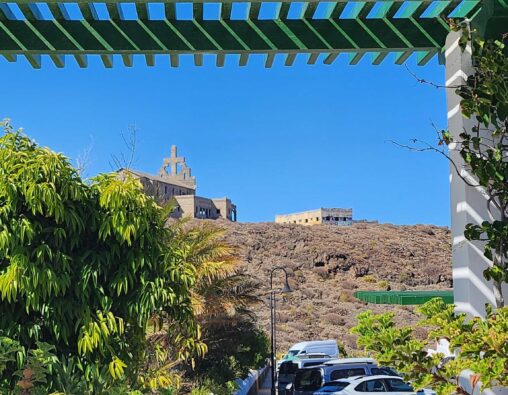
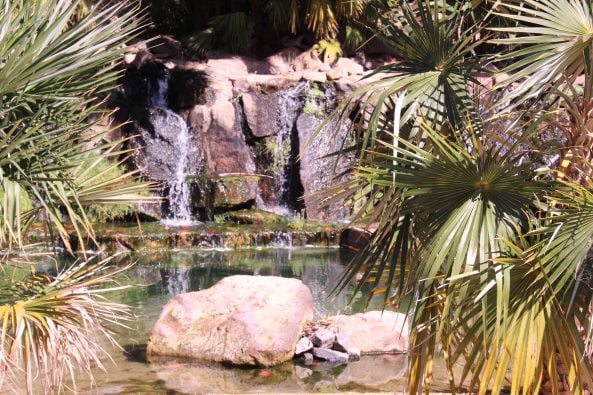
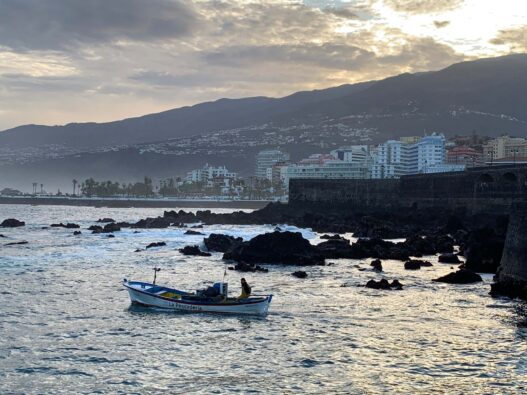
Mount Teide tour in pictures
From there, we take the TF-1 motorway towards the capital, Santa Cruz (13), which we reach after three-quarters of an hour. From there, the TF-5 takes us back into the Orotava Valley and finally to Puerto de la Cruz, our starting point.



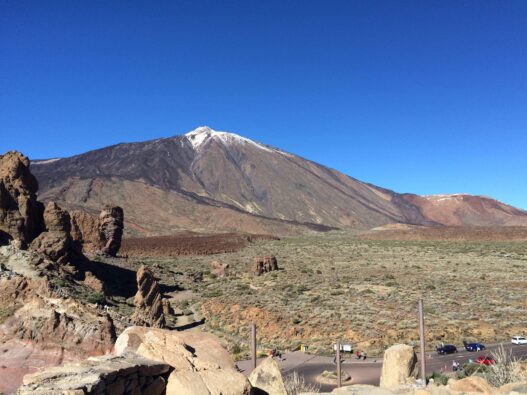
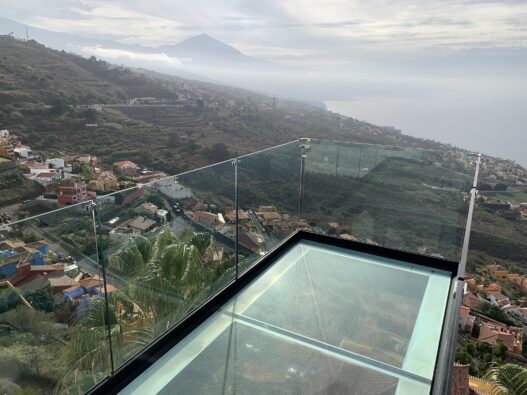

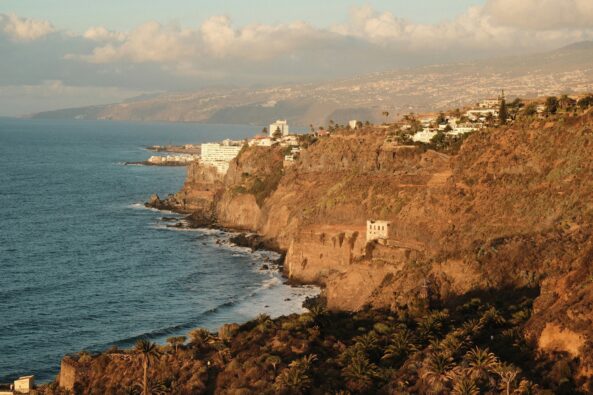
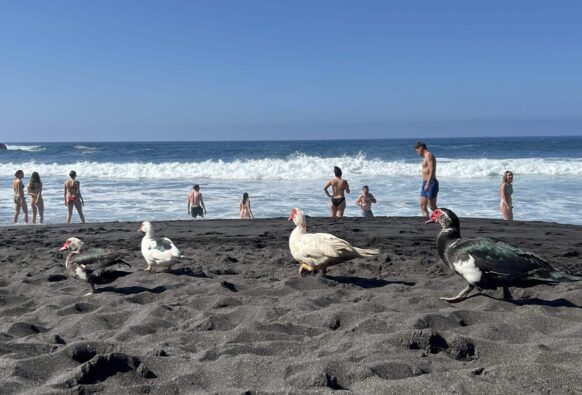
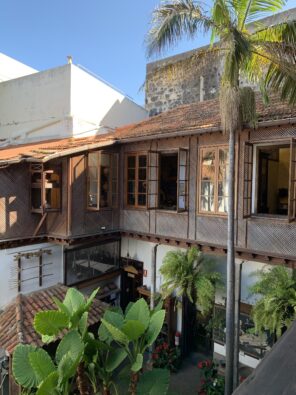
«A tour through the Cañadas to Mount Teide»
No comments on this article yet.